

Managing money effectively starts with understanding where your income goes each month. For millions of people across the United States, United Kingdom, and Canada, creating a realistic budget represents the first step toward financial stability and achieving long-term goals. Whether you struggle with overspending, want to save for important purchases, or simply desire better control over your financial life, having the right budgeting approach makes all the difference.
This comprehensive guide about GoMyFinance.com walks you through everything you need to know about creating and maintaining an effective budget. From understanding basic budgeting principles to implementing advanced strategies that align with your lifestyle, you will discover practical techniques that transform your relationship with money and set you on the path toward financial confidence.
Understanding Why You Need to Create Budget for Financial Success
Financial stress affects millions of households, often stemming from uncertainty about money rather than actual income levels. Creating a budget eliminates this uncertainty by providing clear pictures of your financial situations. When you know exactly how much money comes in and where it goes, you can make informed decisions that align spending with priorities rather than reacting emotionally to financial pressures.
GoMyFinance.com serve as roadmaps guiding your financial journey toward specific destinations. Without budgets, money tends to disappear into untracked spending that provides little lasting value or satisfaction. With proper budgets in place, every dollar receives a purpose, whether covering essential expenses, funding enjoyable activities, or building savings for future needs. This intentionality transforms money from a source of stress into a tool supporting the life you want to build.
The psychological benefits of budgeting extend beyond simple number tracking. Having control over finances reduces anxiety, improves relationships by minimizing money-related conflicts, and builds confidence as you achieve financial milestones. People who budget consistently report feeling more secure about their futures even when facing the same income levels as those who never track their spending.
Getting Started with GoMyFinance.com Create Budget Process
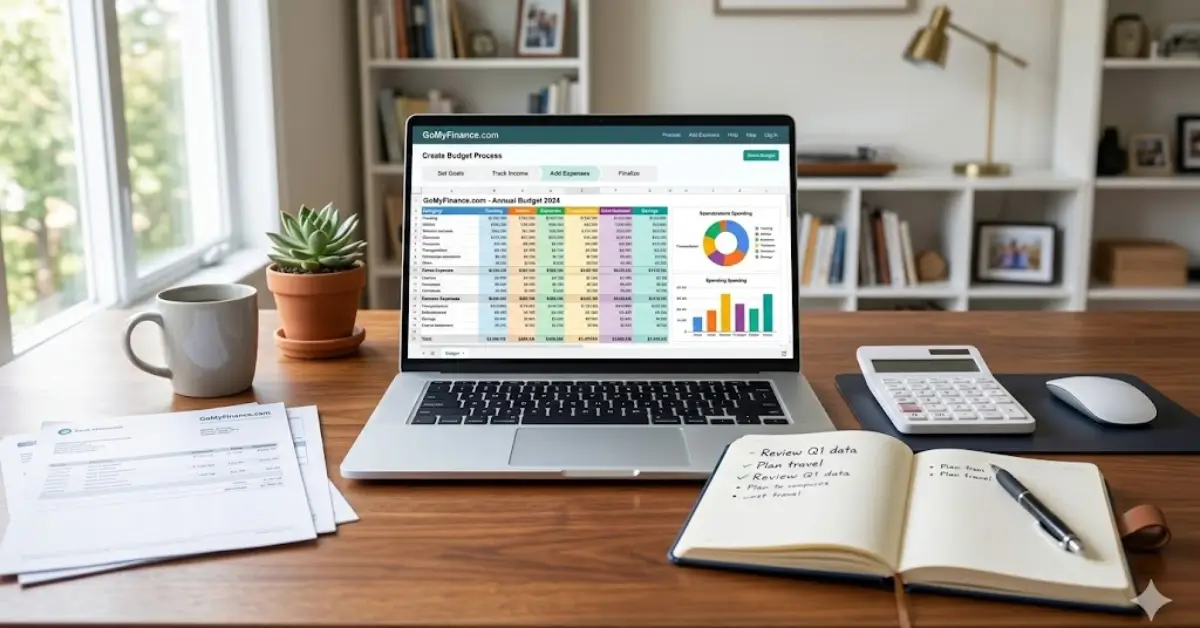
Beginning your budgeting journey requires gathering accurate information about your current financial situation. Start by collecting recent bank statements, credit card bills, pay stubs, and any other documents showing income and expenses. This documentation provides the factual foundation upon which realistic budgets are built, eliminating guesswork that undermines budgeting efforts.
Calculate your total monthly income by adding all reliable income sources including salaries, side hustle earnings, investment returns, and any other regular money inflows. Use net income rather than gross amounts, focusing on what actually reaches your bank account after taxes and mandatory deductions. This accurate income figure becomes the upper limit for your budget, ensuring you never plan to spend more than you actually receive.
Next, track your expenses for at least one month to understand your current spending patterns. Categorize expenses into groups like housing, transportation, food, utilities, entertainment, and debt payments. This categorization reveals where your money currently goes and identifies areas where spending might not align with your stated priorities. Many people discover surprising patterns during this tracking phase, finding significant amounts spent on categories they did not realize consumed so much of their income.
Essential Categories When You Create Budget Plans
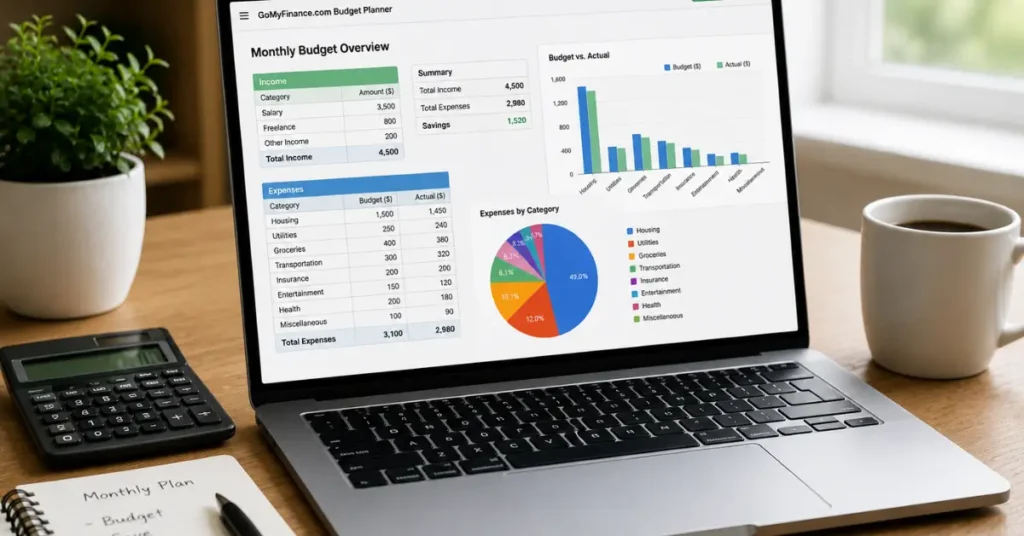
Effective budgets organize expenses into logical categories that reflect how you actually spend money. Housing costs typically represent the largest category, including rent or mortgage payments, property taxes, insurance, and maintenance expenses. Financial experts generally recommend keeping housing costs below thirty percent of gross income, though many people in expensive markets struggle to meet this guideline.
Transportation represents another major expense category covering car payments, insurance, fuel, maintenance, public transit costs, and ride-sharing expenses. Depending on your location and lifestyle, transportation might consume ten to twenty percent of your budget. Consider whether your current transportation approach provides good value or if alternatives might reduce costs without significantly impacting your quality of life.
Food expenses divide into groceries and dining out, two subcategories with very different cost structures. Groceries generally provide better value, while restaurant meals offer convenience and social experiences at premium prices. Most budgets allocate ten to fifteen percent of income to food, though actual amounts vary based on household size, dietary needs, and entertaining habits. Tracking both subcategories separately helps identify opportunities to shift spending toward more cost-effective options without eliminating enjoyment.
How GoMyFinance.com Create Budget Tools Help Track Spending
Modern budgeting tools simplify the tracking process that once required manual record-keeping and calculations. Digital platforms automatically categorize transactions from linked bank accounts and credit cards, providing real-time spending updates without manual data entry. This automation removes friction from budgeting, making it easier to maintain consistent tracking habits that form the foundation of successful money management.
Visual representations like charts and graphs transform raw spending data into easily understood information. Seeing your spending patterns displayed visually often creates stronger motivation for change than simply reading numbers in spreadsheets. When you visually grasp that dining out consumes twenty percent of your income while savings receive only five percent, the need for adjustment becomes immediately apparent in ways that numbers alone might not convey.
Alert systems notify you when spending approaches or exceeds budgeted amounts in specific categories. These warnings provide opportunities to adjust behavior before overspending becomes significant, helping you stay on track throughout the month rather than discovering problems only when reviewing monthly summaries. Proactive alerts transform budgets from historical records into active management tools guiding daily financial decisions.
Creating Realistic Budget Goals with GoMyFinance.com Create Budget Features
Effective budgets balance current needs with future aspirations, allocating resources across immediate expenses and long-term goals. Start by ensuring your budget covers essential expenses including housing, utilities, minimum debt payments, food, and transportation. These necessities form the foundation of your budget, consuming fifty to sixty percent of income for most households depending on local cost of living and personal circumstances.
After covering essentials, allocate funds toward financial goals like emergency savings, debt reduction, retirement contributions, and major purchase savings. Financial experts recommend building emergency funds covering three to six months of expenses before aggressively pursuing other goals. This safety net protects against unexpected expenses or income disruptions that might otherwise derail your financial progress or force you into debt.
Finally, budget for discretionary spending on entertainment, hobbies, dining out, and other enjoyable activities that enhance quality of life. While these expenses are not strictly necessary, completely eliminating enjoyment from your budget creates unsustainable restrictions that lead to frustration and eventual abandonment of budgeting efforts. Successful budgets include reasonable amounts for fun, recognizing that financial management should enhance rather than diminish life satisfaction.
Adjusting Your Budget When You GoMyFinance.com Create Budget Initially
First budgets rarely prove perfect, requiring adjustments as you discover how theoretical plans compare to actual spending patterns. Review your budget weekly during the first month, comparing planned amounts to actual spending in each category. This frequent review helps you spot problems early and make corrections before small issues become major budget failures that discourage continued effort.
Common adjustments include reallocating money between categories when initial estimates prove inaccurate. You might discover that grocery budgets were too optimistic while utility estimates were overly generous. Moving funds from overestimated categories to those needing more resources keeps your overall budget balanced while better reflecting your actual spending needs and patterns.
Seasonal variations also require budget adjustments throughout the year. Utility costs fluctuate with weather, holiday seasons increase spending on gifts and travel, and annual expenses like insurance premiums or property taxes create periodic budget pressures. Building flexibility into your budget through seasonal adjustments or setting aside monthly amounts for predictable annual expenses prevents these variations from derailing your financial plans.
Advanced Strategies for GoMyFinance.com Create Budget Success
The zero-based budgeting approach assigns every dollar of income to specific categories, ensuring your budget balances with no money left unallocated. This method forces intentional decisions about every aspect of your finances, preventing the unconscious spending that occurs when money sits in accounts without designated purposes. Zero-based budgets create maximum awareness and control over your financial resources.
The fifty-thirty-twenty rule provides a simplified budgeting framework allocating fifty percent of income to needs, thirty percent to wants, and twenty percent to savings and debt reduction. This approach works well for budgeting beginners who find detailed category tracking overwhelming. While less precise than comprehensive budgets, the fifty-thirty-twenty rule establishes healthy spending proportions that support financial stability while remaining simple enough to maintain consistently.
Envelope budgeting, whether using physical envelopes or digital equivalents, allocates specific amounts to spending categories and prevents overspending by limiting access to only budgeted funds. When an envelope empties, spending in that category stops until the next budget period. This concrete limitation creates powerful spending discipline, though it requires more active management than automated tracking approaches.
Common Mistakes to Avoid When You Create Budget Plans
Underestimating expenses represents one of the most frequent budgeting errors, creating unrealistic plans that fail when actual costs exceed projections. Combat this by tracking spending before budgeting and adding ten percent buffers to expense estimates. Slightly overestimating expenses proves far less problematic than discovering mid-month that your budget cannot cover actual costs.
Forgetting irregular expenses like annual insurance premiums, vehicle registration fees, or holiday spending causes budget disruptions when these predictable but infrequent costs arise. Create sinking funds by setting aside monthly amounts for these irregular expenses, ensuring money is available when needed without disrupting regular monthly budgets. This forward planning eliminates the financial stress these lumpy expenses otherwise create.
Being too restrictive with discretionary spending creates unsustainable budgets that feel punishing rather than empowering. While cutting unnecessary expenses helps achieve financial goals, eliminating all enjoyment from your budget leads to resentment and eventual abandonment of budgeting efforts. Include reasonable amounts for entertainment, hobbies, and other activities that make life enjoyable, viewing these as investments in sustainable financial management rather than wasteful spending.
Maintaining Long-Term Success After You GoMyFinance.com Create Budget
Consistency matters more than perfection in budgeting success. Missing a few days of tracking or occasionally overspending in categories does not mean failure. What matters is returning to your budget and continuing the process despite imperfect execution. Successful budgeters view their systems as ongoing practices requiring regular attention rather than one-time projects that either succeed or fail completely.
Regular budget reviews help you assess progress toward goals and make necessary adjustments to changing circumstances. Monthly reviews allow you to compare actual spending against plans, celebrate successes, identify problems, and refine your approach. These reviews transform budgeting from restrictive rule-following into dynamic financial management that evolves with your life and priorities.
Celebrating financial milestones maintains motivation throughout your budgeting journey. Whether paying off a credit card, reaching a savings goal, or completing a month without overspending, acknowledging these achievements reinforces positive behaviors and reminds you why budgeting matters. These celebrations need not be expensive; simple acknowledgments of progress provide psychological rewards that sustain long-term commitment to financial management.
Using Technology to Enhance Your GoMyFinance.com Create Budget Experience
Mobile apps bring budgeting tools wherever you go, allowing real-time spending checks before purchases and immediate expense logging that ensures accurate tracking. This portability integrates budgeting into daily life rather than confining it to periodic sessions at home computers. The convenience of mobile access significantly increases the likelihood of maintaining consistent budgeting habits.
Automated savings transfers remove the discipline required to manually move money into savings accounts. Setting up automatic transfers on payday ensures savings happen before you have opportunities to spend that money elsewhere. This automation implements the pay-yourself-first principle that financial experts consistently recommend for building wealth and achieving financial goals.
Integration with financial accounts provides comprehensive views of your entire financial picture including checking accounts, savings, investments, and debts. This holistic perspective helps you understand how different aspects of your finances interact and make decisions considering your complete situation rather than isolated account balances. Comprehensive visibility supports better financial decision-making and more effective progress toward complex financial goals.
Frequently Asked Questions
How do I start when I want to GoMyFinance.com create budget for the first time?
Start by collecting your income details, bank statements, and bills so you understand how much money comes in and goes out. Track your spending for at least one month, then group expenses into needs, wants, and savings before assigning limits to each category.
What percentage of my income should go to different budget categories?
A simple guideline is 50–60% for needs (rent, food, bills), 20–30% for wants (shopping, entertainment), and 20–30% for savings or debt repayment. Adjust based on your personal situation.
How often should I review and adjust my budget after creating it?
Check your budget weekly at first, then switch to a monthly review once it feels stable. Do a deeper review every few months to adjust for income or expense changes.
What should I do when unexpected expenses exceed my budget?
Rearrange spending from other categories first, then use emergency savings if needed. Over time, build an emergency fund and a small “buffer” category in your budget.
Can budgeting work if my income varies from month to month?
Yes. Base your budget on your lowest expected income, and save extra in high-income months to balance out slower ones.
Conclusion
Creating an effective budget through platforms like GoMyFinance.com create budget tools represents one of the most powerful steps you can take toward financial security and achieving your life goals. A well-designed budget provides clarity about your financial situation, eliminates the stress of financial uncertainty, and ensures your spending aligns with your values and priorities. The process transforms money from a source of anxiety into a tool supporting the life you want to build.
Success in budgeting comes not from perfection but from consistency and willingness to adjust your approach as you learn what works for your unique situation. Your first budget will likely require modifications, and even experienced budgeters continually refine their systems to accommodate changing circumstances and evolving goals. This ongoing process represents financial growth rather than failure, reflecting the dynamic nature of real life.
The financial confidence, reduced stress, and progress toward meaningful goals that budgeting provides make the effort worthwhile for anyone willing to invest time in managing their money intentionally. Whether you are just beginning your financial journey or looking to improve existing money management practices, the principles and strategies outlined in this guide provide the foundation for building a budget that works for your life and supports your vision for the future. Start today, remain consistent, and watch as intentional financial management transforms your relationship with money and opens doors to opportunities that once seemed financially out of reach.