

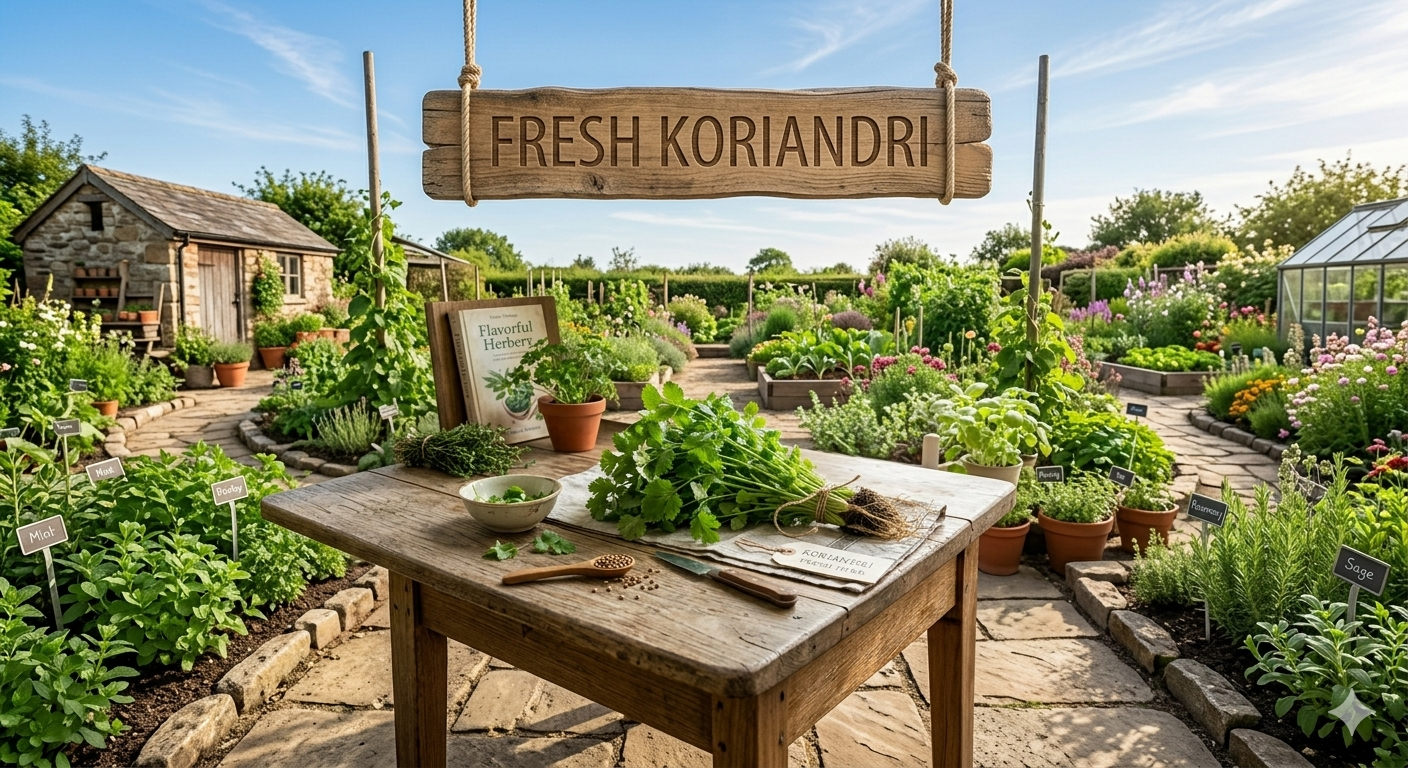
Introduction
The world of culinary herbs offers countless options for enhancing flavors, adding nutritional value, and bringing aromatic qualities to dishes across various cuisines. Among these versatile plants, koriandri stands out as an herb that has been cultivated and cherished across cultures for thousands of years. This herb provides both fresh greens and seeds that serve different culinary purposes, making it a doubly valuable addition to any kitchen or garden. Understanding the characteristics, uses, and cultivation methods for this plant helps home cooks and gardening enthusiasts maximize its potential. This comprehensive guide explores everything you need to know about koriandri, from its botanical properties to practical tips for growing and using it effectively.
Understanding What Koriandri Actually Is
Koriandri refers to the plant known scientifically as Coriandrum sativum, which belongs to the Apiaceae family along with parsley, carrots, and celery. This annual herb produces both leafy greens and aromatic seeds, each offering distinct flavors and culinary applications. The term koriandri itself represents a variation of the word coriander used in various languages and regions around the world.
The plant grows relatively quickly, reaching maturity within a few months under proper conditions. It features delicate, lacy leaves that become increasingly feathery as the plant matures. The stems remain relatively slender, supporting the foliage and eventually the flowering umbels that produce the seeds. Understanding the plant’s growth stages helps gardeners and cooks know when to harvest for specific purposes.
Different parts of koriandri serve distinct culinary roles. The fresh leaves, often called cilantro in some regions, provide a bright, citrusy flavor with slightly peppery undertones that some people find refreshing while others perceive as soapy due to genetic differences in taste perception. The seeds offer completely different flavor profiles with warm, nutty, and slightly sweet characteristics that become more pronounced when toasted or ground.
The plant has been cultivated for millennia across Mediterranean, Asian, and Middle Eastern regions where it remains a staple ingredient in traditional cuisines. This long history of cultivation has resulted in various cultivars adapted to different climates and culinary preferences. Modern global cuisine has spread koriandri usage worldwide, making it increasingly available in markets and popular among home gardeners.
Exploring the Culinary Uses of Koriandri
Fresh koriandri leaves play essential roles in numerous cuisines around the world. Mexican cooking extensively uses cilantro in salsas, guacamole, tacos, and as garnish for soups and main dishes. The bright, fresh flavor complements the richness of beans, the heat of chilies, and the acidity of lime juice that characterize many Mexican preparations.
Asian cuisines including Thai, Vietnamese, Indian, and Chinese cooking incorporate fresh coriander leaves in diverse applications. Thai curries, Vietnamese pho, Indian chutneys, and Chinese stir-fries all benefit from the herb’s distinctive flavor and aromatic qualities. The leaves are often added near the end of cooking or used as fresh garnish to preserve their delicate flavor and texture.
Koriandri seeds serve different culinary purposes, particularly in spice blends and dishes requiring longer cooking times. Indian cuisine uses coriander seeds extensively, either whole or ground, in curry powders, garam masala, and various spice mixtures. The seeds are often dry-roasted before grinding to intensify their aromatic qualities and bring out deeper nutty flavors.
Middle Eastern and Mediterranean cuisines incorporate both forms of the herb in traditional dishes. Fresh leaves appear in tabbouleh, falafel, and various salads, while the seeds flavor breads, pickles, and meat preparations. European cuisines, particularly in Eastern Europe, use coriander seeds in sausages, pickled vegetables, and certain baked goods where the warm spice notes complement other ingredients.
Health Benefits Associated With Koriandri
The nutritional profile of koriandri includes various vitamins, minerals, and beneficial plant compounds that contribute to overall health. Fresh leaves provide vitamin K, vitamin C, vitamin A, and smaller amounts of B vitamins along with minerals like potassium, calcium, and magnesium. These nutrients support various bodily functions including immune health, bone strength, and cellular processes.
Antioxidant compounds found in both leaves and seeds help protect cells from oxidative stress and inflammation. These phytochemicals include quercetin, tocopherols, and various phenolic compounds that research has linked to reduced inflammation and potential protective effects against certain chronic conditions. While herbs are consumed in relatively small quantities, their concentrated beneficial compounds still contribute to overall dietary quality.
Digestive benefits have been associated with koriandri consumption in traditional medicine systems, and some research supports these historical uses. The herb may help stimulate digestive enzymes, reduce bloating, and support healthy gut function. Coriander seeds particularly have been used to address digestive discomfort, though individual responses vary and scientific evidence remains mixed on specific therapeutic claims.
Blood sugar regulation represents another area where preliminary research suggests potential benefits from coriander consumption. Some studies indicate that compounds in the seeds may help support healthy blood sugar levels, though more research is needed to confirm these effects and understand mechanisms. As with any health considerations, consuming koriandri as part of varied, balanced diets makes more sense than relying on single foods for specific health outcomes.
Growing Koriandri Successfully at Home
Cultivating koriandri at home provides fresh access to both leaves and seeds while offering the satisfaction of growing your own culinary herbs. The plant thrives in cool weather, making spring and fall ideal planting times in most climates. Hot summer temperatures cause the plant to bolt quickly, shifting from leaf production to flowering and seed development.
Soil preparation involves creating a well-draining growing medium with moderate fertility. Koriandri doesn’t require extremely rich soil but benefits from good drainage to prevent root rot and fungal issues. Mixing compost into garden soil or using quality potting mix for container growing provides appropriate growing conditions. The plant tolerates various soil pH levels but grows best in slightly acidic to neutral ranges.
Planting methods include direct seeding into garden beds or containers since the plant develops a taproot that doesn’t transplant well once established. Seeds should be sown about a quarter to half inch deep and spaced a few inches apart to allow room for growth. The seeds typically germinate within one to two weeks when soil temperatures remain between 55 and 68 degrees Fahrenheit.
Watering needs require balance between providing adequate moisture and avoiding overwatering that leads to disease problems. The soil should remain consistently moist but not waterlogged, with watering frequency adjusted based on weather conditions and soil type. Container plants typically need more frequent watering than ground-planted specimens since containers dry out faster.
Harvesting and Storing Koriandri Properly
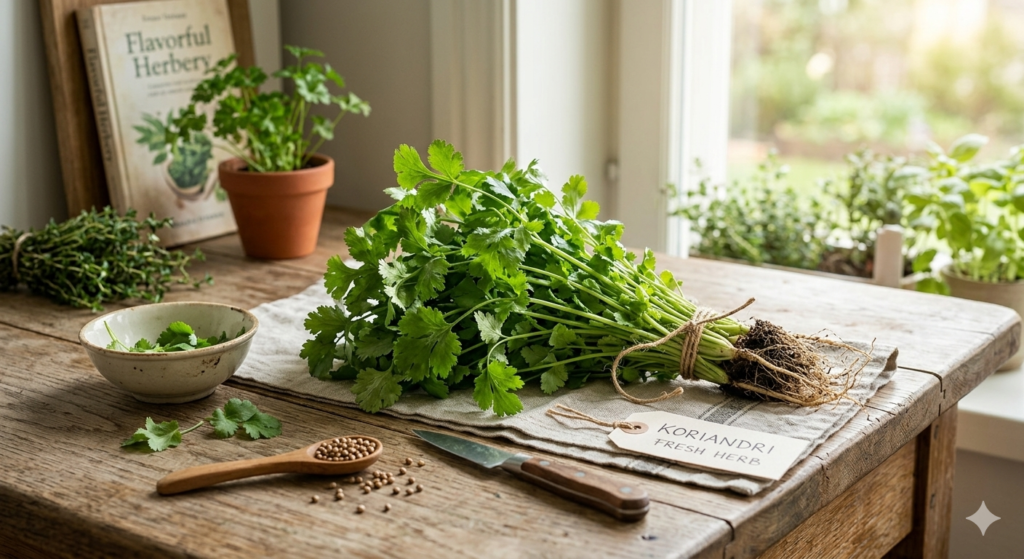
Timing harvest for fresh leaves involves picking before the plant flowers for maximum leaf production and flavor quality. Young leaves tend to offer the best flavor and texture, becoming more bitter and tough as the plant matures. Regular harvesting actually encourages continued leaf production and delays flowering, extending the fresh harvest period.
Harvesting techniques include cutting outer stems near the base rather than picking individual leaves, which damages plants and reduces future production. Using clean, sharp scissors or garden shears prevents crushing stems and introduces less stress than tearing. Taking no more than one-third of the plant at once allows it to recover and continue growing.
Seed collection requires allowing plants to fully mature and flower, then waiting for seed heads to turn brown and dry. Cutting seed heads when they’re tan or light brown and hanging them upside down in paper bags allows complete drying while catching seeds that fall. Once fully dry, seeds can be rubbed from the seed heads and stored in airtight containers.
Storage methods for fresh koriandri leaves include refrigeration in plastic bags with slightly damp paper towels to maintain humidity without causing decay. Properly stored fresh leaves last about one week, though flavor diminishes over time. Alternative preservation methods include freezing chopped leaves in ice cube trays with water or oil, or making herb pastes that freeze well for later use.
Common Challenges When Growing Koriandri
Bolting represents the most common frustration for gardeners attempting to grow koriandri for fresh leaves. The plant naturally transitions from vegetative growth to reproduction when triggered by heat, long days, or stress. Choosing slow-bolt varieties, providing afternoon shade in warm climates, and making succession plantings every few weeks helps ensure continuous leaf harvests despite individual plants bolting.
Pest problems occasionally affect koriandri though the plant generally suffers fewer issues than many garden vegetables. Aphids sometimes cluster on tender new growth, while leaf-eating caterpillars may appear in some regions. Regular inspection allows early detection and intervention through manual removal, water sprays, or organic pest control methods appropriate for edible plants.
Fungal diseases including powdery mildew and damping-off can occur when conditions are too humid or watering practices keep foliage wet. Proper spacing for air circulation, watering at soil level rather than overhead, and avoiding evening watering that leaves plants wet overnight helps prevent these issues. Removing affected leaves promptly prevents spread to healthy parts of plants.
Poor germination frustrates gardeners attempting to establish koriandri from seed. Old seeds, improper planting depth, incorrect soil temperature, or allowing soil to dry out during germination all contribute to establishment failures. Using fresh seeds, maintaining consistent moisture, and planting at appropriate times for your climate improves success rates significantly.
Understanding Koriandri Flavor Variations
The genetic component of cilantro taste perception creates strong preferences with some people loving the flavor while others find it unpleasantly soapy. Research has identified specific genes that affect how people perceive aldehydes in the leaves, explaining why reactions to fresh coriander vary so dramatically between individuals. This genetic variation means some people will never enjoy fresh koriandri regardless of preparation methods.
For those who do enjoy the flavor, understanding how to balance and enhance it improves culinary results. The bright, citrusy notes complement rich, fatty, or spicy foods by providing freshness and contrast. Pairing fresh leaves with lime juice, chilies, garlic, and cumin creates harmonious flavor combinations common in many cuisines that traditionally use the herb.
Cooking methods affect flavor intensity and character. Brief cooking or adding leaves at the end of preparation preserves more of the fresh, bright qualities while extended heating diminishes distinctive flavors. For maximum impact, fresh koriandri works best as finishing touch rather than ingredient cooked throughout dish preparation.
The seeds offer completely different flavor profiles that appeal even to some people who dislike fresh leaves. Toasting coriander seeds before use intensifies their warm, nutty qualities and creates more complex aromatic compounds. Grinding releases essential oils immediately before use provides maximum flavor impact compared to pre-ground versions that lose potency during storage.
Incorporating Koriandri Into Your Cooking Routine
Starting with small amounts allows you to gauge personal preference and learn how the herb affects different dishes. Adding chopped fresh leaves to familiar recipes like salads, soups, or grain bowls introduces the flavor in controlled ways that help you understand what combinations work for your palate. Gradually increasing amounts as you become comfortable with the taste helps build appreciation.
Complementary ingredients that pair well with koriandri include lime or lemon juice, garlic, ginger, chilies, cumin, and coconut milk. These combinations appear frequently across cuisines that traditionally use the herb, providing tested frameworks for successful flavor building. Understanding these partnerships helps when creating your own recipes or adapting dishes to include fresh coriander.
Simple preparations showcase koriandri effectively without requiring complex techniques. Making fresh salsas, chimichurri, or herb sauces highlights the herb’s qualities while creating versatile condiments for various proteins and vegetables. These preparations often improve after resting briefly as flavors meld, making them convenient make-ahead options.
Experimenting with seeds in spice blends or simple preparations like rice pilaf introduces their unique flavor contributions. Toasting whole seeds and adding them to rice before cooking infuses subtle aromatic qualities throughout the dish. Grinding toasted seeds fresh for curry dishes or marinades provides authentic flavors difficult to achieve with pre-ground alternatives.
The Cultural Significance of Koriandri Worldwide
Ancient civilizations including Egyptians, Greeks, and Romans cultivated and used koriandri for both culinary and medicinal purposes. Archaeological evidence shows coriander seeds in Egyptian tombs, while classical texts reference the herb in various contexts. This long history demonstrates the plant’s enduring value across different cultures and time periods.
Traditional medicine systems from Ayurveda to Traditional Chinese Medicine incorporated koriandri for various therapeutic purposes. While modern evidence for specific medical claims varies, the historical persistence of these uses reflects observed effects that encouraged continued application. Contemporary interest in traditional herbs has renewed research into validating historical uses through scientific investigation.
Regional naming variations create interesting linguistic patterns around the plant. While English speakers distinguish between cilantro for leaves and coriander for seeds, many languages use single terms for the entire plant. Understanding these naming conventions helps when exploring international recipes or shopping in ethnic markets where different terminology applies.
Culinary traditions surrounding koriandri reflect cultural preferences and historical availability. The herb’s prominence in cuisines from disparate regions demonstrates both independent discovery of its value and historical trade routes that spread useful plants. Modern global cuisine increasingly blends these traditions, creating fusion approaches that combine elements from multiple culinary cultures.
Selecting Quality Koriandri When Shopping
Fresh leaves should appear vibrant green without yellowing, wilting, or dark spots indicating age or poor handling. The stems should feel crisp rather than limp, and the bundle should smell fresh and aromatic when you bring it close. Avoiding bunches with slimy leaves or off odors ensures you’re purchasing quality product with good shelf life remaining.
Seed selection involves choosing whole seeds over ground when possible since whole forms retain essential oils and flavor compounds longer during storage. The seeds should appear uniform in color without excessive debris or broken pieces. Purchasing from stores with good turnover ensures fresher product compared to seeds sitting on shelves for extended periods.
Organic versus conventional choices depend on personal priorities regarding pesticide exposure and growing practices. Koriandri doesn’t typically appear on lists of most contaminated produce, but organic options eliminate synthetic pesticide concerns for those prioritizing this factor. The flavor differences between organic and conventional are generally minimal when products are equally fresh.
Ethnic markets often offer better prices and fresher stock for koriandri compared to mainstream supermarkets, particularly in areas with large populations from cultures that use the herb extensively. These specialized retailers move products quickly and understand proper handling, often resulting in superior quality. Building relationships with vendors at farmers markets or ethnic grocers can lead to tips about upcoming availability or special varieties.
Frequently Asked Questions
What is koriandri and how is it different from cilantro?
Koriandri and cilantro refer to the same plant, Coriandrum sativum, with terminology varying by region and plant part. In American English, cilantro typically means the fresh leaves while coriander refers to the seeds, whereas many other languages use single terms for the entire plant. Both the leaves and seeds come from koriandri but offer completely different flavors and culinary applications in cooking.
Why do some people think koriandri tastes like soap?
The soapy perception of fresh coriander leaves results from genetic variations affecting how people detect aldehyde compounds in the herb. Research has identified specific genes, particularly the OR6A2 gene, that influence this taste perception. For people with certain genetic variants, the aldehydes in koriandri trigger associations with soap flavors rather than the pleasant citrusy taste others experience.
Can you grow koriandri indoors successfully?
Growing koriandri indoors is possible with adequate light, proper containers, and attention to watering needs. The plant requires at least four to six hours of direct sunlight daily or equivalent growth light exposure. Using containers with drainage holes, quality potting mix, and maintaining consistent moisture supports indoor growth, though plants may not grow as large as outdoor specimens and will still eventually bolt.
How long does fresh koriandri last after harvesting?
Fresh koriandri leaves typically remain usable for about one week when properly stored in the refrigerator. Placing stems in water like cut flowers or storing in plastic bags with slightly damp paper towels extends freshness. For longer preservation, freezing chopped leaves in ice cube trays with water or oil maintains flavor for several months, though texture changes make frozen koriandri better suited for cooked dishes than fresh applications.
What are the best uses for koriandri seeds versus fresh leaves?
Fresh koriandri leaves work best in applications where bright, fresh flavor is desired, such as garnishes, salsas, salads, and dishes where herbs are added at the end of cooking. The seeds excel in longer-cooked dishes, spice blends, pickles, and preparations where warm, nutty flavors complement other ingredients. Toasting seeds before use intensifies their aromatic qualities, making them particularly valuable in curry powders and spice rubs.
Conclusion
Koriandri represents one of the most versatile and widely used culinary herbs in global cuisine, offering both fresh leaves and aromatic seeds that serve distinct purposes in cooking. Understanding the plant’s characteristics, cultivation requirements, and proper usage helps home cooks and gardeners maximize the value this herb brings to kitchens and gardens. The strong reactions people have to fresh coriander leaves, whether positive or negative, stem from genuine genetic differences in taste perception rather than simple preference variations. For those who enjoy the flavor, koriandri provides irreplaceable brightness and complexity to dishes across numerous culinary traditions from Mexican to Asian to Middle Eastern cuisines. Growing the herb at home offers rewarding experiences for gardeners willing to work with its cool-weather preferences and tendency to bolt in heat, with succession planting providing continuous harvests throughout appropriate seasons. The health benefits associated with koriandri consumption, while not miraculous, contribute positively to overall dietary quality through vitamins, minerals, and beneficial plant compounds. Whether you’re using fresh leaves to brighten a salsa, toasting seeds for a curry blend, or cultivating plants in your garden, this ancient herb continues demonstrating why it has maintained culinary importance across thousands of years and countless cultures worldwide.