

Owning a home brings tremendous satisfaction and pride, but it also comes with responsibilities that can feel overwhelming if you’ve never handled property maintenance before. Learning DIY home maintenance tips for beginners empowers you to protect your investment, prevent costly repairs, and create a safe, comfortable living environment for your family. Whether you’ve just purchased your first home or you’re ready to take more control over your property’s upkeep, developing basic maintenance skills saves money and gives you confidence in managing your most valuable asset.
The good news is that essential home maintenance doesn’t require professional-level expertise or expensive specialized tools. Most routine tasks involve simple inspections, basic cleaning, and minor adjustments that anyone can learn with proper guidance. By establishing regular maintenance habits and addressing small issues before they become major problems, you’ll extend the life of your home’s systems and components while avoiding the stress and expense of emergency repairs. This comprehensive guide walks you through fundamental maintenance tasks that every homeowner should know how to perform.
Understanding the Importance of Regular Home Maintenance
Before diving into specific DIY home maintenance tips for beginners, it’s crucial to understand why consistent upkeep matters so much. Your home consists of interconnected systems and components that work together to provide shelter, comfort, and safety. When one element fails due to neglect, it often creates cascading problems that affect other parts of your house. A clogged gutter, for example, can lead to water damage in your roof, walls, and foundation, turning a simple cleaning task into a multi-thousand-dollar repair project.
Regular maintenance prevents these escalating failures by catching issues early when they’re easy and inexpensive to fix. Changing your furnace filter costs just a few dollars and takes five minutes, but neglecting this simple task forces your heating system to work harder, increasing energy bills and potentially causing premature equipment failure that requires thousands of dollars to replace. Beyond financial considerations, proper maintenance ensures your home remains safe for occupants. Testing smoke detectors, checking for gas leaks, and ensuring proper ventilation prevent accidents and health hazards. Establishing a maintenance mindset from day one protects both your financial investment and your family’s wellbeing.
Creating Your Home Maintenance Schedule
One of the most valuable DIY home maintenance tips for beginners is developing a realistic schedule that breaks tasks into manageable chunks throughout the year. Trying to remember every maintenance task creates stress and leads to important items being forgotten until problems develop. A written schedule organized by season ensures nothing gets overlooked and prevents you from feeling overwhelmed by too many tasks at once.
Spring maintenance focuses on recovering from winter and preparing for warmer weather. This includes inspecting your roof for damage from ice and snow, cleaning gutters, checking exterior paint and caulking, servicing your air conditioning system, and inspecting your foundation for cracks. Summer offers ideal weather for outdoor projects like power washing siding, sealing your driveway, inspecting and cleaning your deck, and trimming trees and shrubs away from your house. Fall preparations center on winterization tasks such as cleaning gutters again after leaves fall, servicing your heating system, insulating exposed pipes, checking weatherstripping around doors and windows, and storing outdoor furniture. Winter indoor maintenance includes testing smoke and carbon monoxide detectors, inspecting for leaks under sinks, checking your water heater, and monitoring indoor humidity levels. Creating a simple calendar with monthly reminders keeps you on track without requiring you to memorize dozens of tasks.
Essential Tools Every Beginner Home Maintainer Needs
Successful implementation of DIY home maintenance tips for beginners requires having basic tools readily available. You don’t need a professional contractor’s arsenal, but a modest collection of quality tools enables you to handle routine maintenance and minor repairs without delays or frustration. Start with a good claw hammer, several screwdrivers in both flathead and Phillips varieties, and an adjustable wrench that fits multiple sizes of nuts and bolts.
Add a cordless drill with basic bits for drilling holes and driving screws, making countless tasks faster and easier. A tape measure, level, and utility knife round out the essential hand tools. For maintenance specifically, include a flashlight or headlamp for inspecting dark spaces, a ladder tall enough to reach your gutters safely, and a shop vacuum for cleaning up after projects. Plumbing essentials include a plunger, a pipe wrench, and plumber’s tape for minor leak repairs. Many beginners find that purchasing a pre-assembled homeowner’s tool kit provides a good foundation, then adding specialized items as specific needs arise. Quality tools last decades and make maintenance tasks easier and more enjoyable, so invest in reputable brands rather than the cheapest options available.
HVAC System Maintenance That Saves Money
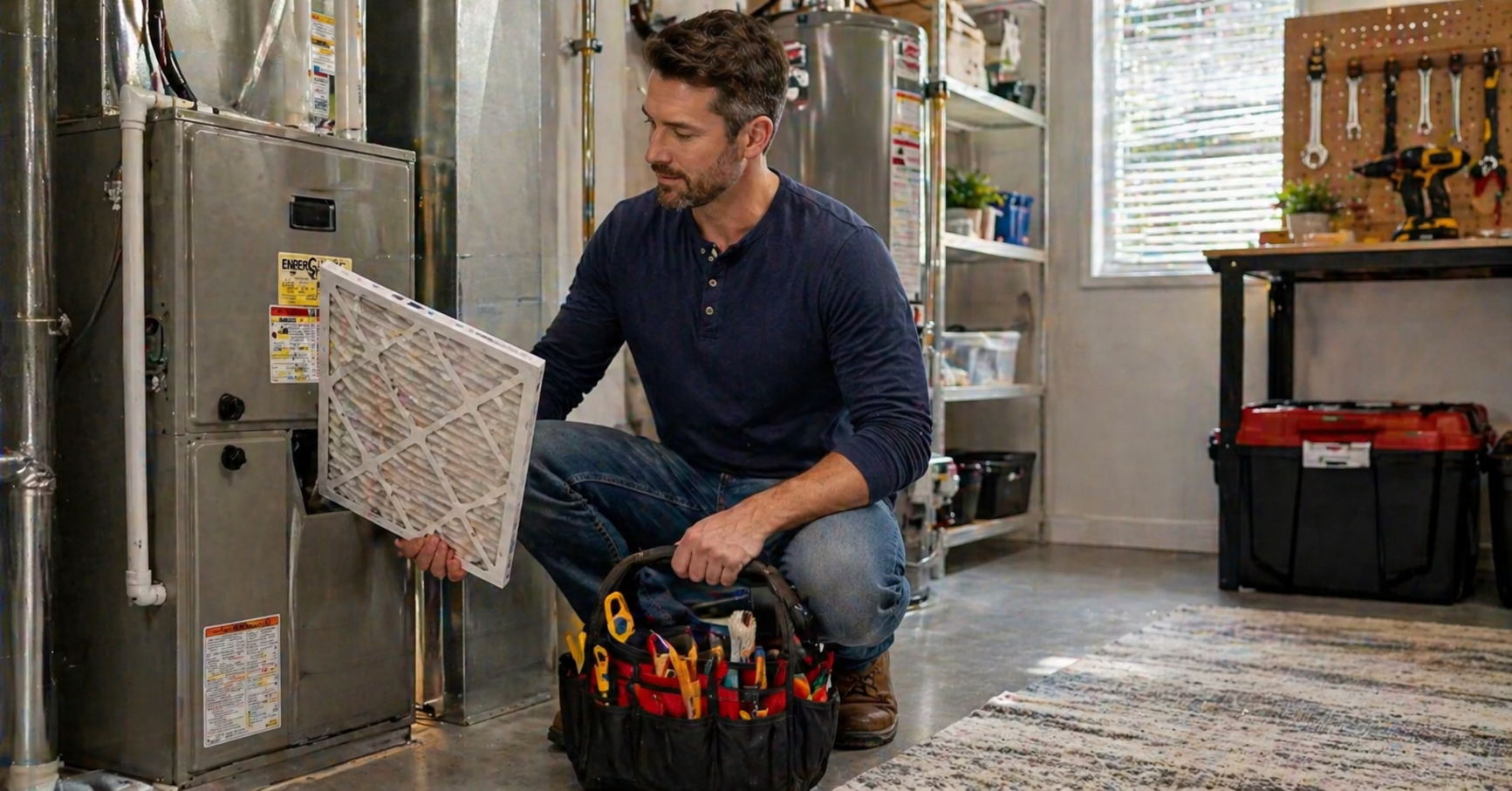
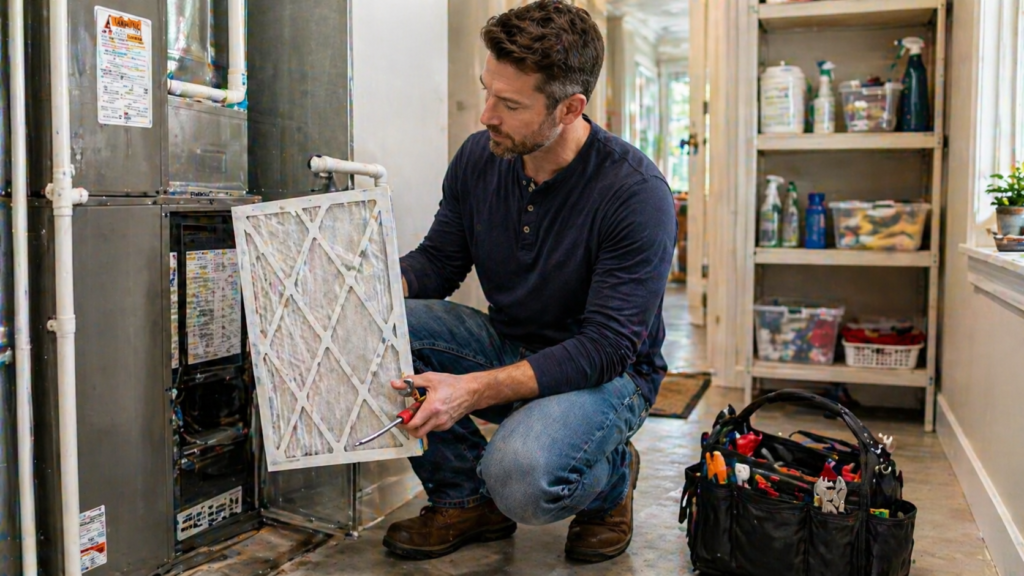
Your heating, ventilation, and air conditioning system represents one of your home’s most expensive components and consumes significant energy, making it a priority in DIY home maintenance tips for beginners. The single most important task you can perform is changing your furnace filter regularly, typically every one to three months depending on the filter type, whether you have pets, and local air quality. A clean filter allows proper airflow, improves indoor air quality, reduces energy consumption, and prevents dust buildup that can damage system components.
Locate your filter by checking your furnace manual or looking for an access panel near where the ductwork connects to the unit. Note the filter size printed on the frame, and purchase replacements in bulk to save money and ensure you always have one available. Mark your calendar to check the filter monthly until you understand how quickly it gets dirty in your home. Beyond filters, keep your outdoor air conditioning condenser clear of debris, leaves, and vegetation. Turn off power to the unit, remove the protective grille, and gently vacuum or rinse away accumulated dirt. Maintain at least two feet of clearance around the unit for proper airflow. Inside your home, keep supply and return vents unblocked by furniture and clean them periodically with your vacuum’s brush attachment. These simple steps extend your HVAC system’s life and can reduce energy costs by fifteen to twenty-five percent.
Plumbing Maintenance Prevents Water Damage
Water damage ranks among the most destructive and expensive problems homeowners face, making plumbing care essential in DIY home maintenance tips for beginners. Start by regularly inspecting all visible pipes under sinks, behind toilets, and in your basement or crawl space for signs of leaks, corrosion, or moisture. Catching a small drip early prevents major water damage and mold growth. Check the flexible supply lines connecting shut-off valves to toilets and faucets, as these wear out over time and should be replaced every five years or when they show signs of bulging, cracking, or corrosion.
Test your toilets for hidden leaks by adding a few drops of food coloring to the tank, waiting thirty minutes without flushing, then checking whether color appears in the bowl. If it does, you have a leak usually caused by a worn flapper valve that costs just a few dollars to replace. Know where your main water shut-off valve is located and test it annually to ensure it operates properly in an emergency. Slow drains indicate developing clogs that are easier to clear early than after they become complete blockages. Use a drain snake or enzyme-based drain cleaner rather than harsh chemicals that can damage pipes. In winter, protect outdoor faucets by draining and shutting off their water supply from inside your home, and insulate exposed pipes in unheated areas to prevent freezing and bursting.
Exterior Maintenance Protects Your Home’s Envelope
The exterior of your home serves as the first line of defense against weather, pests, and moisture intrusion, making it a critical focus for DIY home maintenance tips for beginners. Walk around your home’s perimeter at least twice yearly, looking for issues that need attention. Inspect your siding for cracks, holes, or loose sections that allow water and pests to enter. Small gaps can be filled with exterior caulk, while larger damage may require professional repair or replacement of sections.
Check all exterior caulking around windows, doors, and where different materials meet, such as where siding attaches to foundation or trim. Caulk deteriorates over time and loses its waterproofing ability, so scrape away old, cracked caulk and apply fresh sealant as needed. This inexpensive material costs just a few dollars per tube and prevents thousands in water damage. Examine your foundation for cracks wider than a quarter inch, as these may indicate structural issues requiring professional evaluation. Ensure the ground around your foundation slopes away from the house to direct water away rather than toward your basement or crawl space. Add soil if needed to maintain positive drainage. Clean your gutters at least twice yearly, in spring and fall, removing leaves and debris that prevent proper water drainage. While you’re up there, check that gutters remain securely attached and downspouts direct water at least five feet away from your foundation.
Roof Inspections and Basic Care
Your roof protects everything inside your home, yet it’s often neglected in routine maintenance until leaks develop. Including roof inspections in your DIY home maintenance tips for beginners helps you catch problems early when repairs cost hundreds rather than thousands of dollars. You don’t need to climb onto your roof for basic inspections. Using binoculars from the ground, look for missing, damaged, or curling shingles that need replacement. Check for signs of wear around chimneys, vents, and skylights where flashing creates waterproof seals.
Inside your attic, if accessible, look for water stains on the underside of the roof decking, damp insulation, or daylight showing through the roof structure. These signs indicate leaks that need immediate attention before they cause extensive damage. After major storms, inspect your roof for damage from fallen branches or wind-blown debris. Many insurance policies cover storm damage but require timely reporting. Keep tree branches trimmed back at least six feet from your roof to prevent damage from rubbing and to eliminate pest highways into your home. Clean moss and algae from shingles using specialized roof cleaning products or a solution of water and bleach applied gently to avoid damaging shingles. While you can handle these basic inspections yourself, hire a professional roofer every three to five years for a comprehensive evaluation, as they can spot subtle problems you might miss.
Window and Door Maintenance for Energy Efficiency
Windows and doors significantly impact your home’s energy efficiency, comfort, and security, earning them a place in essential DIY home maintenance tips for beginners. Check weatherstripping around all exterior doors at least annually, looking for cracks, compression, or gaps that allow air infiltration. Weatherstripping costs just a few dollars per door and installs easily with adhesive backing or small nails. Quality weatherstripping can reduce heating and cooling costs by ten to fifteen percent while improving comfort.
Inspect window caulking and glazing compound around glass panes, replacing deteriorated sections to prevent air and water leaks. Clean window tracks and lubricate sliding mechanisms with silicone spray to ensure smooth operation. Test window locks to ensure they engage properly, providing both security and a tighter seal against air infiltration. For wooden doors and windows, check for peeling paint or exposed wood that can absorb moisture and rot. Touch up paint promptly to maintain the protective barrier. Adjust door hinges if doors don’t close properly, as gaps allow conditioned air to escape. Tighten loose screws in hinges, handles, and locks before they cause further damage. In winter, consider installing storm windows or applying plastic film insulation kits to single-pane windows for additional insulation at minimal cost.
Appliance Care Extends Equipment Life
Major appliances represent significant investments that last longer and perform better with simple routine maintenance included in DIY home maintenance tips for beginners. Your refrigerator works more efficiently when its condenser coils stay clean. These coils, usually located at the back or bottom of the unit, accumulate dust that forces the compressor to work harder. Unplug the refrigerator, locate the coils, and vacuum them gently every six months to improve efficiency and extend the appliance’s life.
Clean your clothes dryer’s lint trap after every load, and periodically vacuum the entire lint trap housing where additional lint accumulates. Even more importantly, disconnect and clean the dryer vent duct annually to prevent the dangerous lint buildup that causes thousands of house fires each year. Inspect your washing machine’s hoses for bulges, cracks, or signs of wear, replacing them every five years regardless of condition since failures cause devastating water damage. Consider upgrading to braided steel hoses that resist bursting better than rubber versions. Check your dishwasher’s spray arms and filter monthly, removing food debris that reduces cleaning performance. Run an empty cycle with dishwasher cleaner every few months to remove mineral deposits and keep the interior fresh. These simple tasks take just minutes but prevent expensive repairs and premature appliance replacement.
Safety Systems and Detectors Save Lives
Perhaps the most critical DIY home maintenance tips for beginners involve safety systems that protect your family from fire, carbon monoxide poisoning, and other hazards. Test smoke detectors and carbon monoxide detectors monthly by pressing their test buttons, and replace batteries annually or immediately when low-battery warnings sound. Modern detectors often have ten-year sealed batteries, but the entire unit still requires replacement every ten years as sensors degrade over time.
Ensure you have working smoke detectors on every level of your home, inside each bedroom, and outside sleeping areas. Carbon monoxide detectors should be installed near sleeping areas and on every level. Keep a fire extinguisher in your kitchen and know how to use it, checking the pressure gauge annually to ensure it remains charged. Test your garage door auto-reverse safety feature monthly by placing a two-by-four flat on the ground where the door would close. The door should reverse upon contact rather than crushing the obstacle. Inspect outdoor lighting including motion-sensor lights for security, replacing burned-out bulbs promptly. Check that your home’s address numbers are clearly visible from the street so emergency responders can find you quickly if needed.
Seasonal Deep Cleaning Prevents Long-Term Issues
While not traditional maintenance, seasonal deep cleaning belongs in DIY home maintenance tips for beginners because it reveals problems and prevents deterioration. Spring cleaning offers the perfect opportunity to move furniture and appliances, checking walls and floors for water damage, pest evidence, or other issues normally hidden from view. Clean behind and under large appliances, checking for water leaks and ensuring proper clearances for ventilation.
Wash windows inside and out, allowing you to inspect frames, caulking, and operation while improving natural light throughout your home. Clean kitchen exhaust fans and range hoods, removing grease buildup that reduces effectiveness and poses fire hazards. Vacuum or dust air vents and return grilles, improving air quality and HVAC efficiency. Check basement and crawl spaces for moisture, musty odors, or pest activity that could indicate problems needing attention. Clean out the garage and inspect for roof leaks, wall cracks, or door operation issues. These thorough cleaning sessions familiarize you with every part of your home, helping you notice when something looks different or wrong.
FAQs
How much time should I dedicate to DIY home maintenance each month?
Most homes require about four to six hours of maintenance monthly when averaged across the year, though this varies by season. Some months involve just quick inspections taking thirty minutes, while others include projects requiring several hours. Creating a schedule spreads the work evenly and prevents overwhelming weekends of catch-up maintenance.
What home maintenance tasks should I never attempt myself?
Avoid electrical work beyond changing light bulbs and outlets if you’re not trained, as mistakes can cause fires or electrocution. Major plumbing work involving main lines or sewer connections needs professionals. Roof repairs beyond simple shingle replacement, foundation work, and anything involving asbestos or lead paint removal require expert help for safety and legal reasons.
How do I know when a maintenance issue requires professional help?
Call professionals when you encounter problems beyond your skill level, when specialized tools are needed, when safety risks exist, or when work requires permits. If you’ve attempted a repair unsuccessfully or feel uncomfortable proceeding, hiring an expert prevents causing additional damage that increases repair costs.
Should I keep records of my DIY home maintenance activities?
Absolutely. Maintain a home maintenance journal or digital file recording dates of service, work performed, parts replaced, and costs. This documentation helps you track when recurring maintenance is due, proves maintenance history to buyers when selling, and can support warranty claims or insurance issues. Photos provide additional valuable documentation.
Can DIY maintenance really save significant money compared to hiring professionals?
DIY maintenance saves thousands annually when you consider prevented major repairs and avoided service call fees. A furnace filter you change for five dollars would cost seventy-five to one hundred dollars through an HVAC company. Preventing a single major repair through regular maintenance can save thousands, making the time investment extremely valuable financially.
CONCLUSION
Mastering DIY home maintenance tips for beginners transforms you from an overwhelmed new homeowner into a confident property manager who understands how to protect and preserve your investment. The tasks outlined in this guide require no specialized training or expensive equipment, just a willingness to learn, consistent effort, and attention to detail. By establishing regular maintenance routines and addressing small issues promptly, you prevent the cascading failures that turn minor problems into major financial burdens.
Remember that becoming comfortable with home maintenance is a gradual process built through experience over months and years. Start with the simplest tasks like changing filters and testing detectors, then progressively tackle more involved projects as your skills and confidence grow. Don’t hesitate to consult online resources, ask questions at hardware stores, or call professionals when situations exceed your abilities. The goal isn’t to replace professional tradespeople entirely but rather to handle routine upkeep yourself while knowing when expert help is warranted.
The investment of time you make in maintaining your home pays dividends through lower utility bills, fewer emergency repairs, extended equipment life, and a comfortable, safe living environment for your family. Your home is likely your largest financial asset, and treating it with the care and attention it deserves through consistent maintenance protects that value while giving you the satisfaction of being a capable, resourceful homeowner. With the foundation provided by these DIY home maintenance tips for beginners, you’re well-equipped to keep your home in excellent condition for years to come.